Virtual Emotion Mirror
Reads your facial expression in the browser and suggests music and movies to match.
What it is
A web app that reads your facial expression through the webcam, works out your mood, and suggests music and movies that fit it. It also keeps a history, so you can see how your mood moves over days, weeks and months.
I wanted to see whether an expression could act as an implicit signal for personalization, and what a mood history would be like to look at.
Architecture
Face detection in the browser, classification on the server
- Frontend: React with the webcam and a lightweight face detector that runs in the browser, so no video leaves the page and the server is not busy with detection.
- Backend: a NestJS API gateway that handles login and talks to everything else, and a Python service with TensorFlow that classifies the expression.
- Data: MongoDB, which stores timestamped predictions for the mood history.
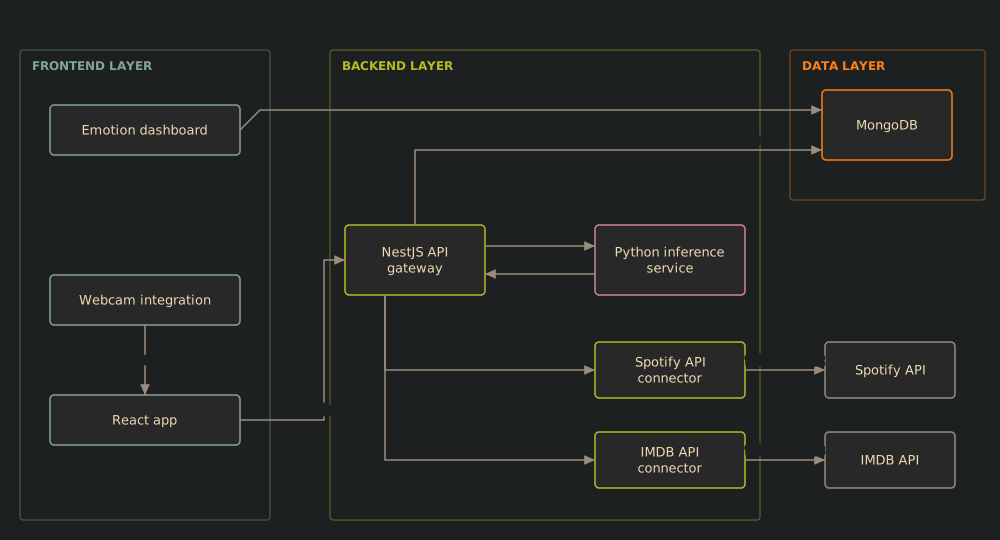
Splitting detection (browser) from classification (server) keeps latency low while the model stays easy to swap.
Emotion pipeline
From a video frame to a stable mood
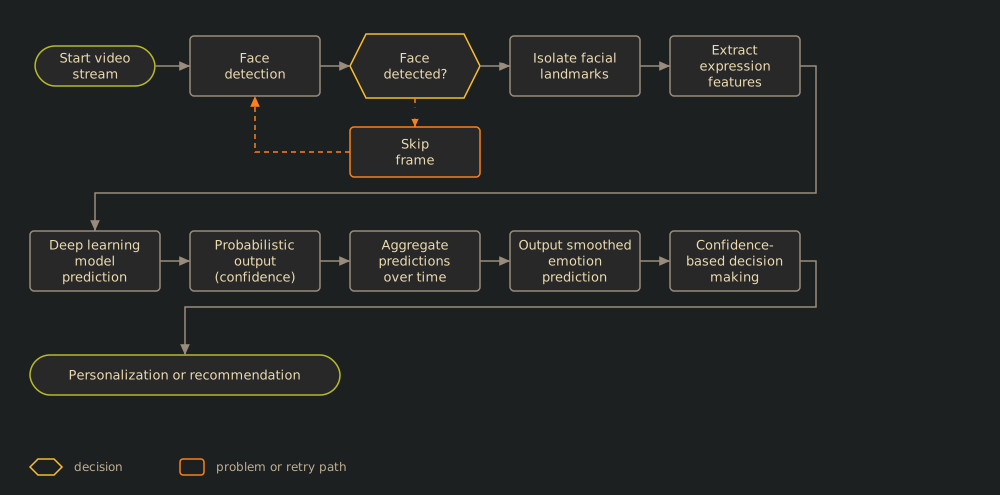
- The browser detects the face in the live video.
- Facial landmarks and expression features are extracted from the frame.
- The TensorFlow model classifies it as happy, sad, angry, surprised or neutral, with a confidence score.
- Predictions are averaged over a short window, so one noisy frame does not flip the result.
Suggestions
Mapping a mood to music and movies
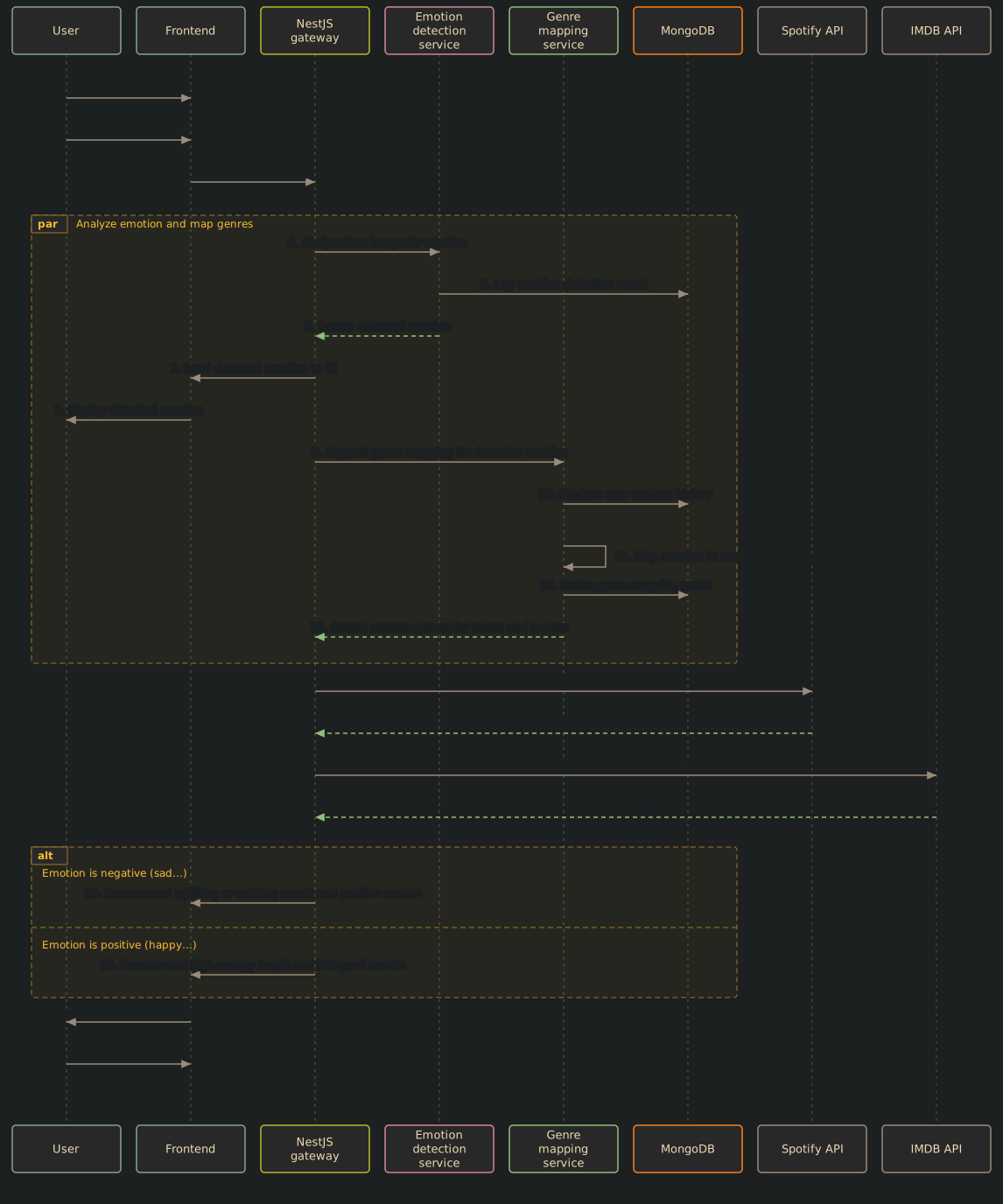
The mood picks the content. Calmer or more uplifting music for stress or sadness, higher energy for happiness, and movies filtered by genre to match. Suggestions update as your mood changes, and results from Spotify and IMDB are cached so they load quickly.
Mood history
Each prediction is stored with a timestamp. The dashboard turns those into daily, weekly and monthly charts, so recurring patterns, mood cycles and stressful stretches are easy to spot.
Not done yet
- Voice alongside the face, for a second signal.
- Running the model on the device instead of the server.
- Themes in the UI that follow your mood.
- More careful pattern detection in the history.